Halloween 2026 lands on a Saturday. That sounds like good news until you do the math: your entire Halloween season is roughly 20 to 30 bookable hours across two nights, and every client in your DMs wants the same 6pm slot. You can't add days. The only thing you can change is what those hours are worth.
Halloween isn't a busy month. It's two nights with a hard ceiling on how many faces you can physically do.
Run the numbers on your own calendar. Say you work Friday October 30 from 1pm to 10pm and Saturday October 31 from 10am to 10pm. That's 21 hours. At 60 minutes per face plus 15 minutes to reset your station, you fit about 17 clients across the whole holiday. If your average ticket is $110, your entire Halloween is worth roughly $1,870.
Now raise the average ticket to $155. Same hours, same effort, same two nights. You just made $2,635.
That gap is the entire argument for pricing Halloween differently, and demand is there to support it.
The National Retail Federation's 2025 consumer survey found that Americans planned to spend a record $13.1 billion on Halloween, averaging $114.45 per person, with 51% dressing in costume and 32% attending or throwing a party. People are already budgeting for this night. The question is whether your price list is built to meet them.
A Saturday Halloween makes the squeeze tighter. There's no work night after, so the party crowd goes hard on October 31 itself, while families want daytime slots the same day. Your two highest-demand blocks overlap.
Charge by how long the look takes and how much skill and product it burns, then add a premium for the peak window. The tiers below use time as the spine, because time is the thing you're actually running out of.
Start from your own numbers, not a national average. Your standard non-bridal glam price is your floor. If you charge $95 for an event face in June, that's your Halloween glam base, and everything above it scales from there.
One reference point for the top of the market: the Bureau of Labor Statistics reports a median annual wage of $97, with $150 for makeup artists in theatrical and performance work. That figure covers film and TV crews in a handful of production cities, so it's not your take-home. It's useful as proof that skilled makeup labor is priced well above what most independent artists ask for a Halloween face.
Bill SFX hourly with a minimum, then add a kit fee, because SFX makeup price has almost nothing to do with the finished look and everything to do with how long you're sitting there building it.
Here's the math that makes this obvious. Say your glam rate is $110 for a 45-minute face. Three hours of your Halloween Saturday holds four glam clients, or $440. If you take a 3-hour prosthetic booking for $200 because it "sounds like a lot," you didn't charge a premium. You took a 55% pay cut on the busiest night of your year.
So the floor for that booking is $440 plus materials. A 3-hour minimum at $90 to $125 an hour, plus a $35 to $75 kit fee depending on what you're applying, gets you there honestly.
Two more rules for SFX bookings:
Different looks carry different price ceilings because clients have different reference points for what each one should cost. Here's how the main categories price out in 2026.
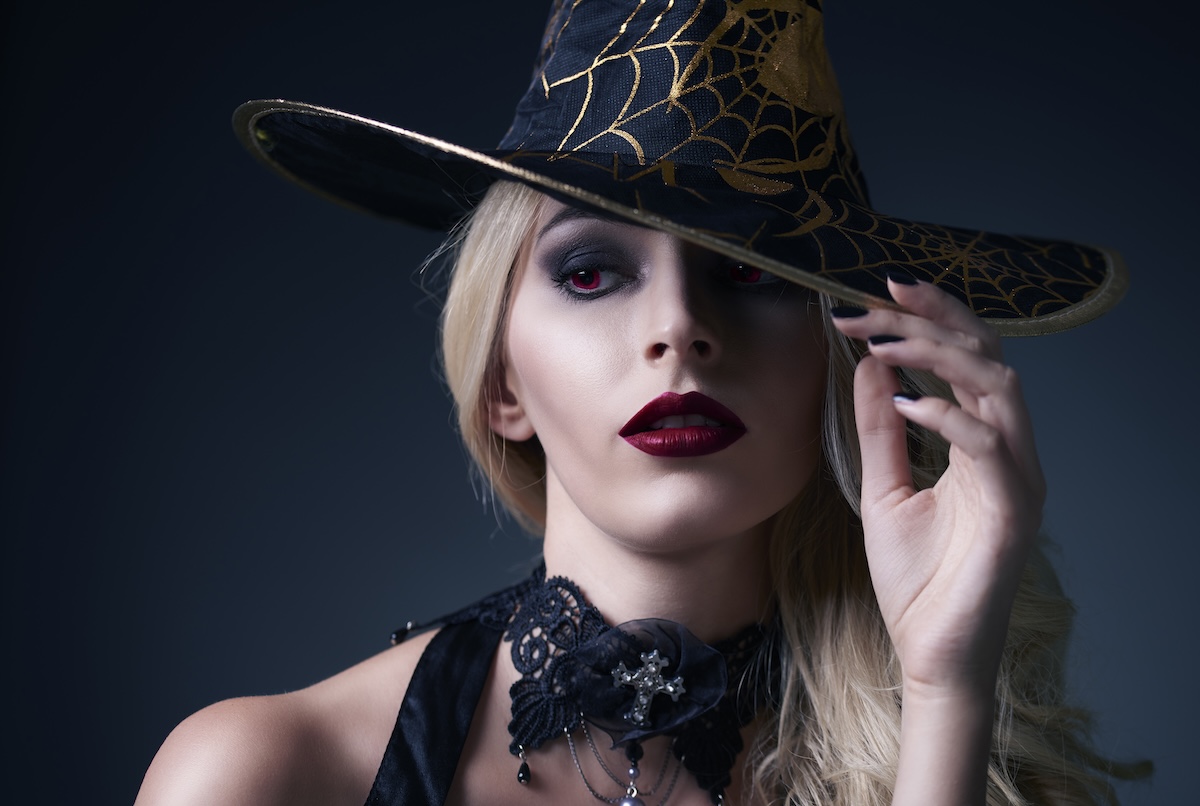
Your fastest, highest-margin Halloween service. Clients who want to look expensive at a party rather than unrecognizable. Pinterest's 2026 trend forecast points hard at dark-romantic and vampiric makeup, alien-inspired finishes, and frosted, opalescent tones, with searches for dark romantic makeup up 160% and eccentric makeup up 100%. Price this at your standard event rate, plus your peak premium.
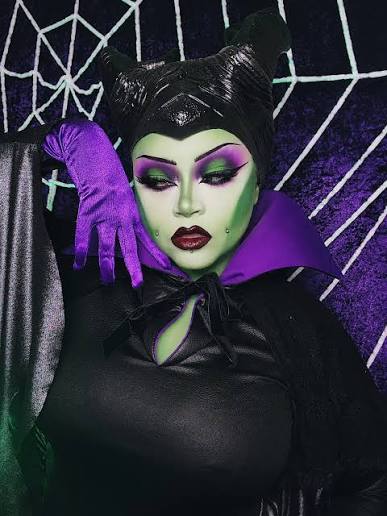
The biggest volume driver, and the one to watch each fall. Google's Frightgeist data for 2025 showed pop culture characters dominating searches, with the leads from KPop Demon Hunters taking the top costume spots, alongside Wicked characters. These looks need color matching, precision liner, and often braiding or hairline work, so they sit 30% to 80% above your glam base.
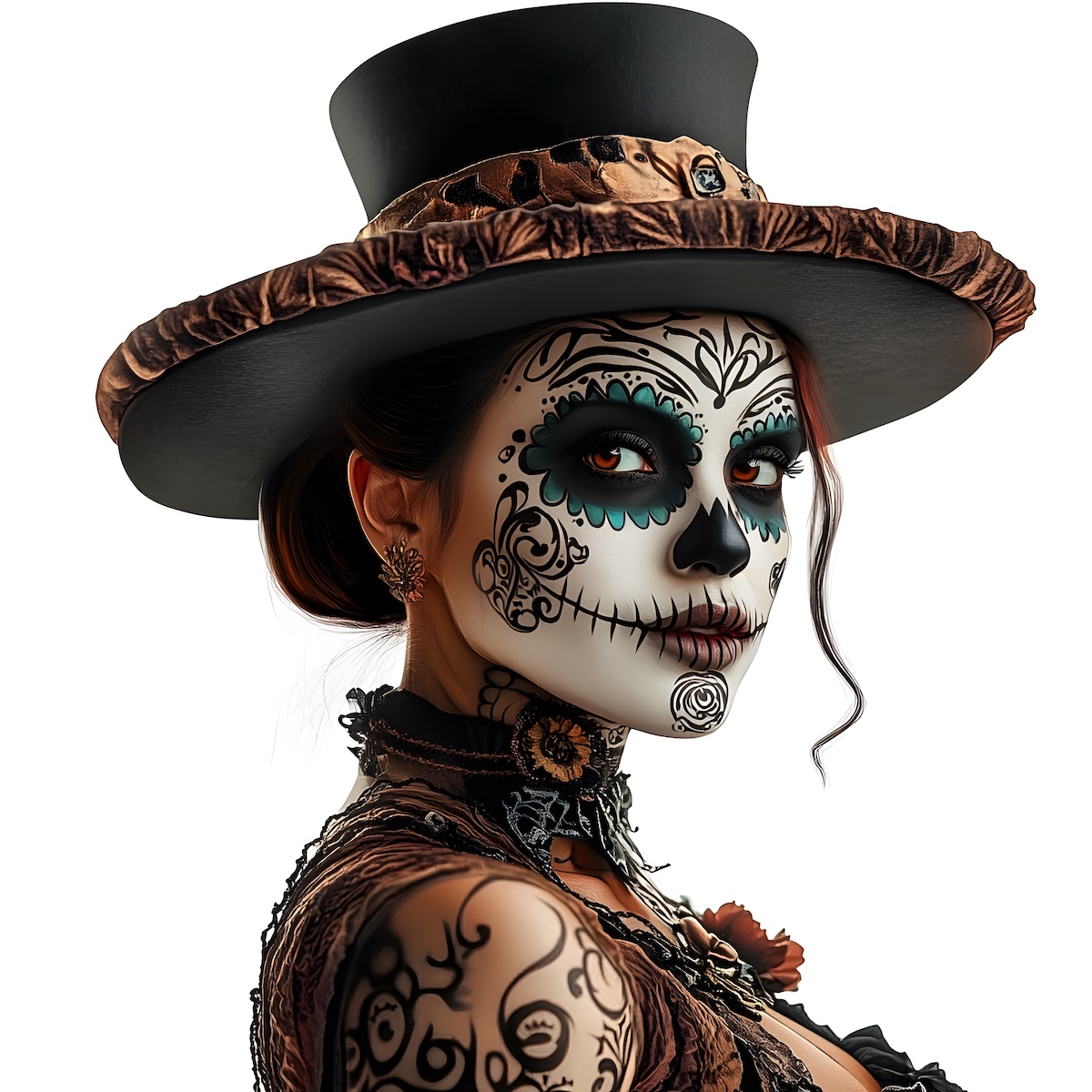
Airbrush is faster per face once you're set up, which makes it a strong volume play on Halloween night. Price per zone rather than per hour: face, neck and chest, arms, full back panel. Add a setup fee for on-location work so you're not eating compressor haul time.
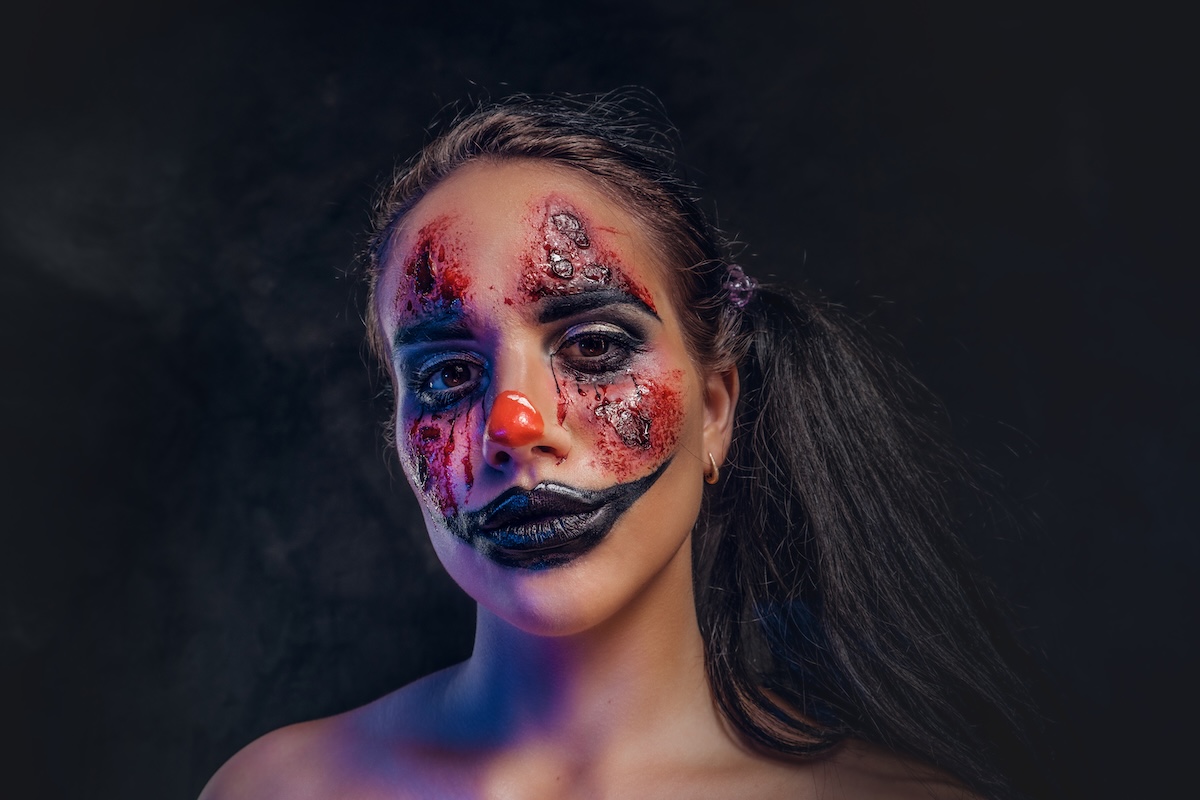
Your highest price and your worst hourly if you get it wrong. Treat these as project bookings with a deposit that covers materials, not as an appointment.
Yes, and clients will accept it if you publish the premium ahead of time instead of surprising them at checkout. Research on demand-based pricing consistently finds the same thing: people accept higher prices when the scarcity is visible and expected, and resent them when the increase feels hidden or improvised.
Your clients already live with this. Hotel rooms cost more on game weekend. Saturday weddings cost more than Friday ones. A 6pm slot on October 31 is the same kind of inventory.
A workable structure:
That last one matters more than people expect. Every client you move to October 24 is an hour you get back on October 31 to sell at your highest rate.
Goldie's dynamic pricing handles this automatically once you turn it on. When a client opens your booking page and picks a high-demand slot, the higher price is what they see, right there in the booking flow. No awkward message explaining the surcharge, no negotiating over text. The price is just the price, which is exactly how peak pricing is supposed to feel.
Take a deposit on every single Halloween booking, ideally 50% and non-refundable inside your cancellation window. A no-show on a normal Tuesday costs you one slot you might refill. A no-show at 7pm on October 31 is unrecoverable, because every person who would have taken it is already in costume somewhere else.
The evidence on deposits is strong, if you look outside the beauty industry for it. A 2023 review in the Israel Journal of Health Policy Research summarizes US studies where a clinic that introduced a no-show policy cut misses from 34% to 11% over two years, and a $30 no-show fee dropped repeat no-show rates from 20.1% to 9.27%. Those are healthcare settings, not makeup chairs, so treat the direction as reliable and the exact numbers as context rather than a forecast.
The same review found a counterexample worth knowing: a Danish trial where a fee changed nothing, because baseline no-shows were already low and most fines went unpaid. The lesson holds for you. Deposits work when the slot is genuinely scarce and the deposit is genuinely collected up front. Halloween is the clearest case of both all year.
Practically:
Price group Halloween bookings per face with a minimum headcount, one deposit for the whole party, and a travel fee if you're going to them.
Groups are where Halloween money actually is, because a house party getting ready together is four to eight faces in one location with zero travel between them. But they're also where artists most often undercharge, usually by offering a "group discount" that doesn't survive contact with reality.
What to hold firm on:
.png)
Close your Halloween books about a week out, around October 24, then move everyone else to a waitlist. You need that week to order materials, do any test applications, and stop fielding "do you have anything left?" messages while you're working.
A published cutoff does two things at once. It stops the low-intent inquiries, and it creates a real reason for people to book now rather than "sometime this month." Say it plainly on your booking page and in your bio: Halloween books close October 24. After that it's waitlist only.
Then keep the waitlist active, because cancellations happen even with deposits. Goldie's waitlist lets clients who can't find an open slot on your Halloween dates join the list themselves. When a spot opens up, they get a message and can book it directly. You don't have to remember who asked three weeks ago or scroll back through DMs at 9pm looking for someone to fill a hole. Cancellations in a scarce window are only a loss if the slot stays empty.
Your next step is the boring one, and it's this week's job, not October's: write out your four tier prices with the chair time next to each one, then put them on your booking page. Not in a highlight, not in your DMs. On the page where people actually book, so the price does the negotiating for you.
Then turn on deposits and set your peak dates in Goldie before your first Halloween inquiry lands, because the first person who asks "how much?" is going to set the anchor for your whole season.

.webp)