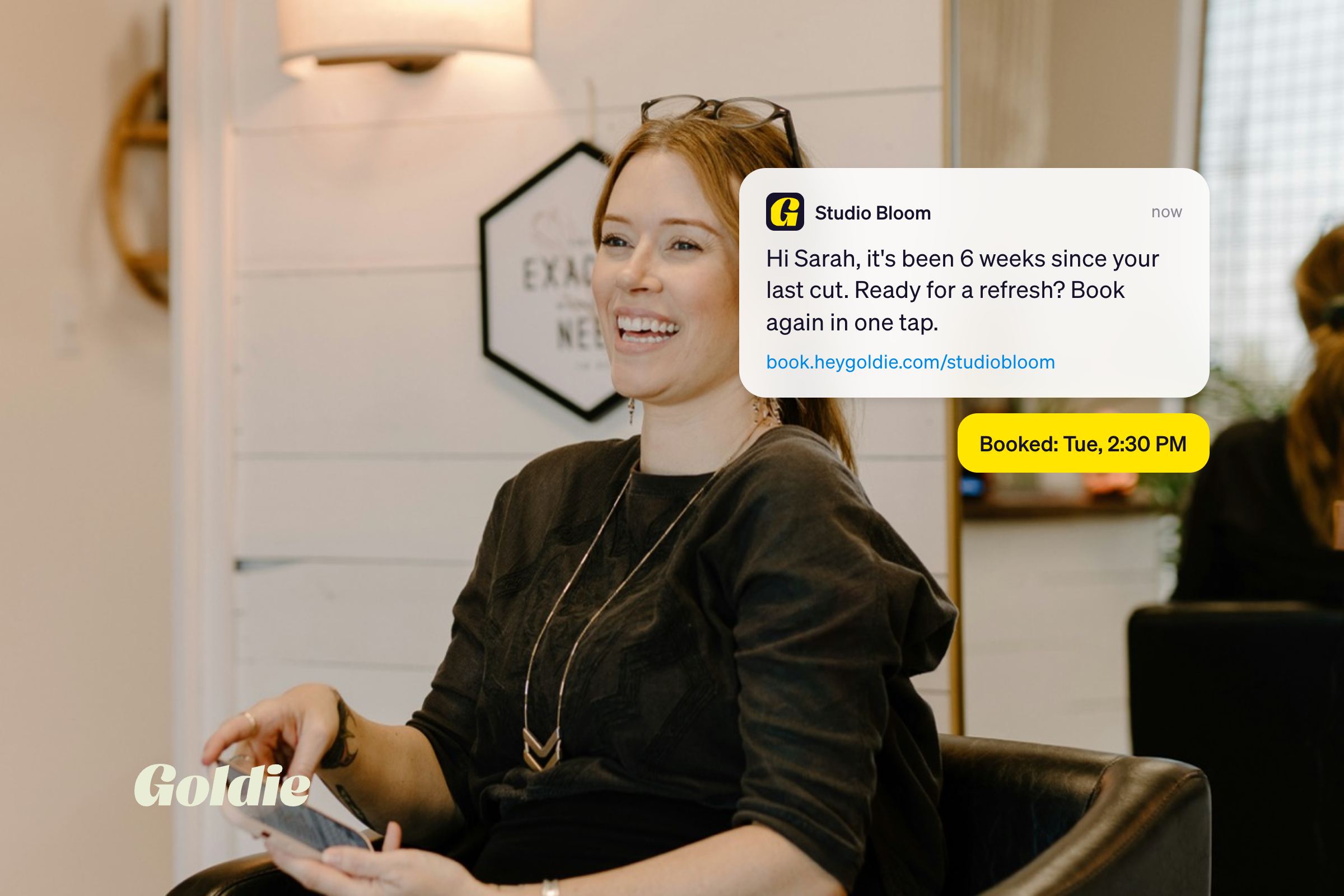
Let’s get real for a second: no-shows are a silent revenue killer for salons. You’ve carved out time in your appointment scheduling system, your team is ready, your chair is prepped, and then crickets. When clients don’t show up (and don’t cancel), that empty spot isn’t just a blank square on your calendar, it’s lost income, wasted staff energy, and clients who could have booked instead slipping through the cracks.
That’s why salon owners everywhere are asking the same question: what actually works to curb no-shows, appointment deposits or cancellation fees? Should you collect money upfront? Charge a fee if someone bails late? Or is there a smarter way to protect your time and keep clients happy?
In this article, we break down the differences between deposits vs cancellation fees, explain how each works in a salon setting, and help you decide which approach reduces no-shows faster. If you’ve been weighing appointment deposit salon policies against a cancellation fee salon approach, you’ll leave with a clear, practical plan to cut no-shows confidently, supported by appointment confirmations, reminder messages, and smarter booking systems.
Appointment deposits have become one of the most talked about tools when it comes to reducing no-shows in salons, and for good reason. Simply put, they change how clients think about their bookings before they ever step through the door.
This type of system also helps salons manage real-time availability, control service duration, and improve overall calendar management.
Let’s break it down.
In a typical appointment deposit salon setup, the client pays a fixed amount or a percentage of the service price upfront, usually through an online booking software that allows salons to secure bookings automatically. Using Goldie helps streamline this process further, letting salons manage real-time availability, send automatic reminders, and securely collect deposits.
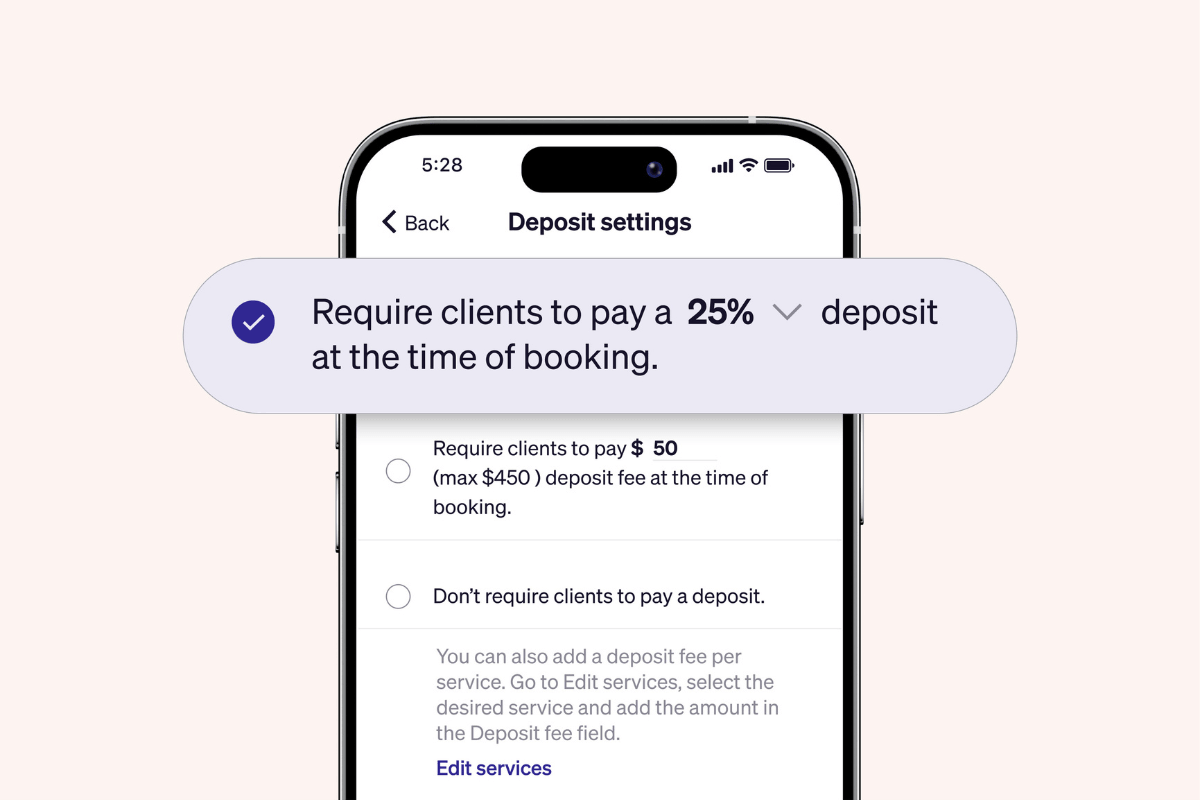
For example:
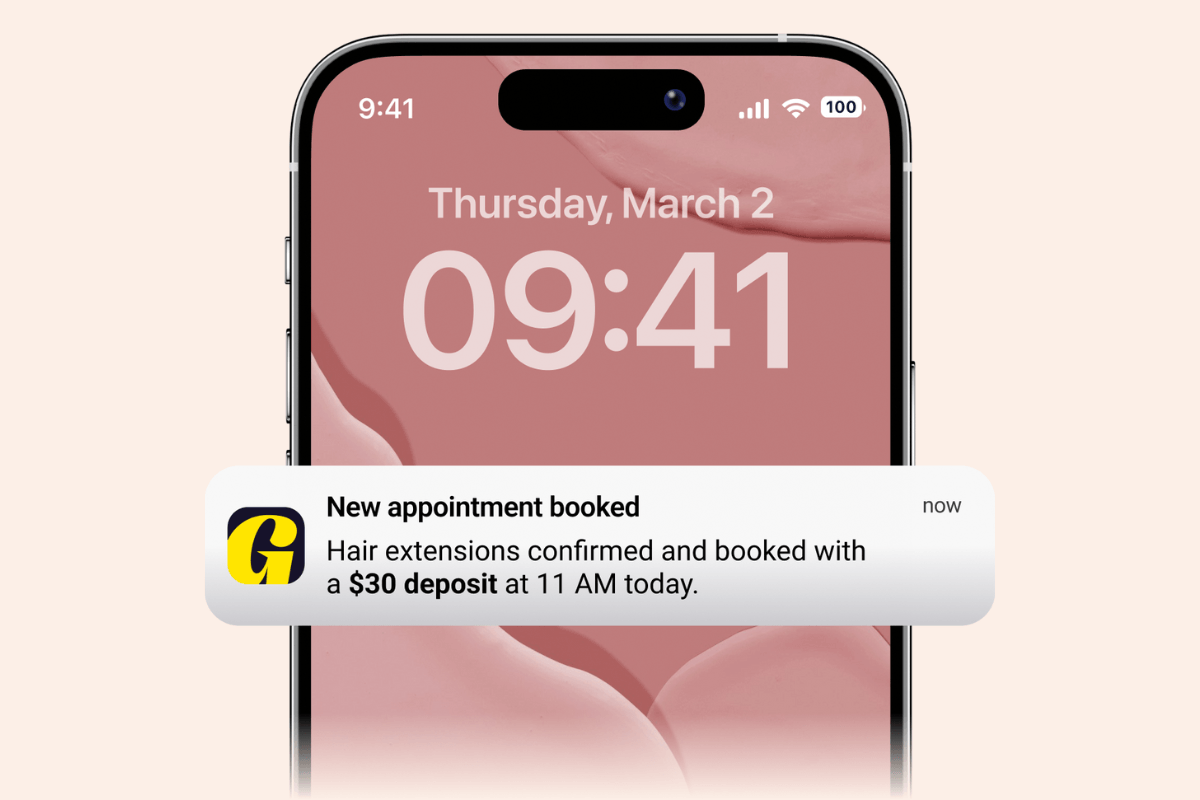
If the client shows up, everything’s smooth, and the deposit goes toward the service. If they cancel late or don’t show up, the salon keeps the deposit depending on the policy. That’s why many salons choose to set up appointment deposits and collect deposits online to automate the process.
The key idea here is simple: clients have skin in the game. And that small psychological shift makes a big difference.
There’s a reason deposits are often the first recommendation when salon owners ask how to reduce no-shows in a salon. They tackle the problem at its source: commitment.
Here are the biggest advantages of using appointment deposits:
From a behavioral standpoint, deposits trigger what’s known as loss aversion: once people have paid, they’re motivated to avoid losing that money, even if it’s just a small deposit.
That said, appointment deposits aren’t perfect, and they’re not always the right fit for every salon.
Some common challenges include:
The good news? Most of these issues can be solved with clear communication and smart implementation, something we’ll cover later in the article.
For now, what matters is this: appointment deposits are proactive. They prevent no-shows before they happen, rather than trying to deal with them after the fact.
Next up, we’ll look at the other side of the debate, cancellation fees, and how they compare when it comes to reducing no-shows in a salon.
If appointment deposits are a prevention-first approach, cancellation fees work more like a safety net. They don’t ask clients to pay anything upfront. Instead, they set clear consequences if someone cancels too late or doesn’t show up at all.
This model has been around for years, and many salons still rely on it. But does it actually work when it comes to reducing no-shows?
Let’s take a closer look.
A cancellation fee salon policy means clients agree to pay a fee if they cancel their appointment outside a defined notice period, usually outlined in the booking confirmation email or SMS they receive.
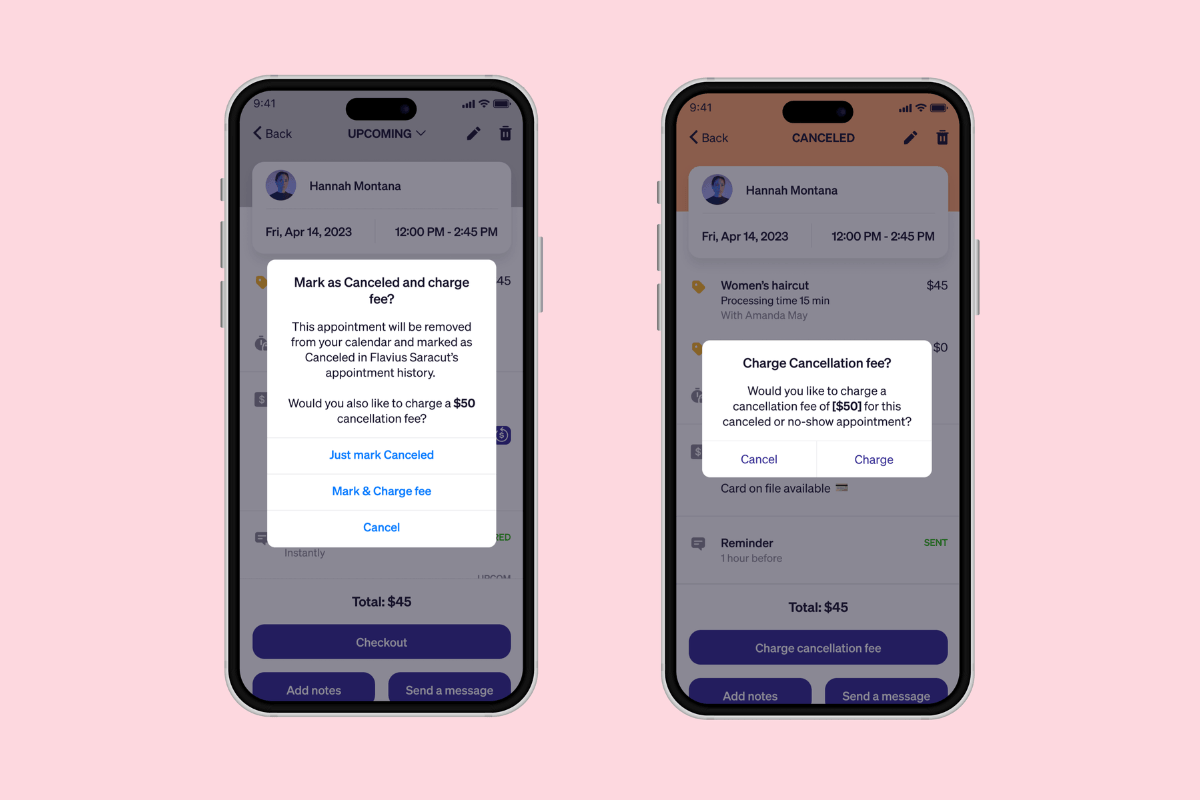
Common examples include:
Unlike deposits, the payment happens after the missed appointment, often by charging a saved card or invoicing the client.
On paper, it sounds fair and straightforward. In practice, it depends heavily on how consistently the policy is enforced.
Cancellation fees are popular because they feel less demanding at the booking stage. For many salons, especially those with loyal, long-term clients, that matters.
Here’s why some salon owners prefer them:

From a brand perspective, cancellation fees can position your salon as accommodating as long as expectations are clearly communicated.
Here’s where things get tricky.
Cancellation fees only work if they’re actually enforced, and without a structured booking platform and proper time slot management, that’s where many salons struggle.
Some common issues include:
In short, cancellation fees are reactive. They address the problem after it happens, which is why many salon owners start questioning whether a deposit vs cancellation fee for appointments approach might work better.
Next, we’ll put both systems side by side and break down the key differences between deposits vs cancellation fees so you can clearly see which one fits your salon best.
Both deposits and cancellation fees are designed to solve the same problem: empty chairs and lost revenue. The difference is when they influence the client and how strongly they affect behavior. Deposits act before the appointment happens, while cancellation fees come into play after something goes wrong. That timing shift changes client commitment, enforcement, and how fast you see results.
Here’s a side-by-side comparison to make the differences crystal clear:

No-shows cost salons time, money, and energy, and changing client behavior quickly is every owner’s priority.
Deposits work because they tap into a powerful human instinct: people hate losing money they have already paid. Once a client puts down a deposit, the appointment feels more real, casually canceling becomes less likely, and the chances of simply forgetting the appointment drop. It is no longer just a booking, it becomes a commitment. This is why deposits often lead to an almost immediate drop in no-shows, especially with new clients, high-ticket services, or peak-hour appointments.
Cancellation fees rely on future consequences rather than immediate commitment, which usually makes their impact slower. Clients may assume they can cancel later without issue, or that the fee won’t be enforced. While cancellation fees still reinforce boundaries, they work best with loyal clients and require consistent enforcement.
A tool like Goldie makes both systems far easier to manage and more effective. Goldie allows salons to securely collect deposits, store cards for cancellation fees, send automatic reminder messages, and display policies clearly during online booking. By combining clear communication with an easy-to-use system, Goldie helps clients understand the rules, respect staff time, and dramatically reduce no-shows faster than manual systems alone.
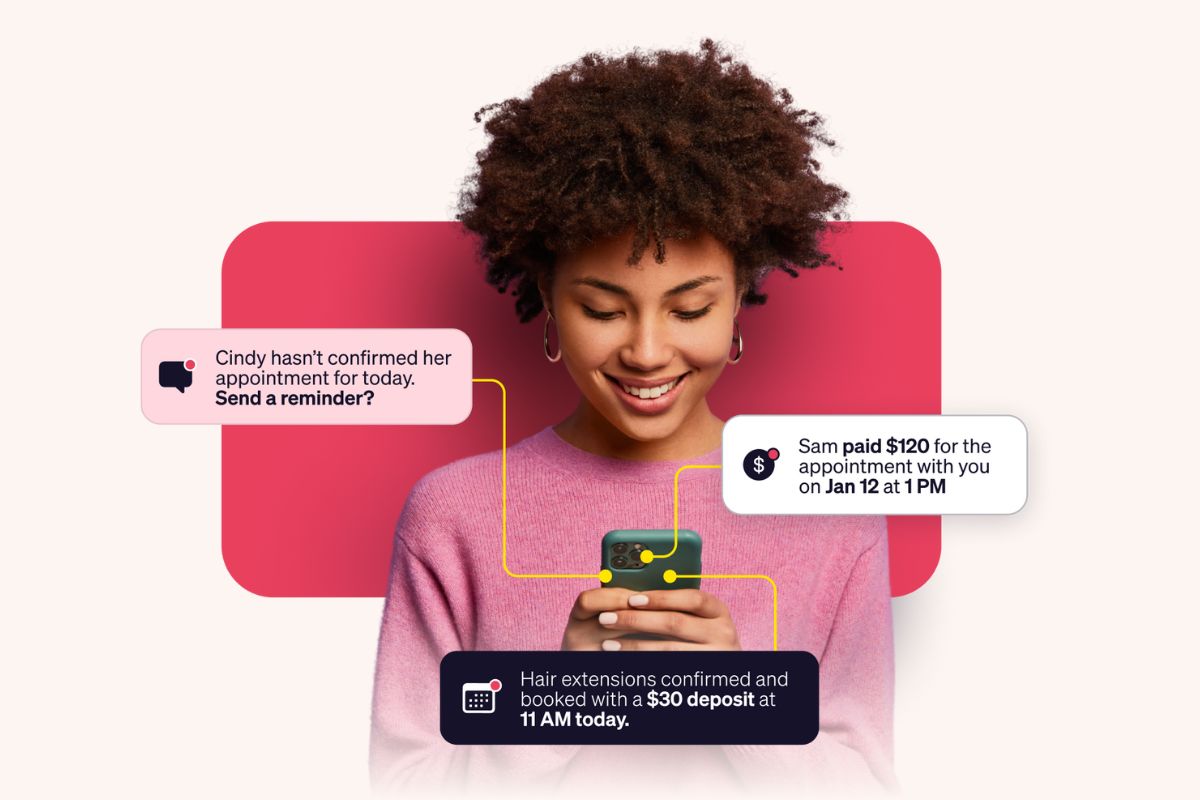
When comparing deposits vs cancellation fees, the right choice depends on the level of control and flexibility your salon needs. Deposits are ideal if your goal is to reduce no-shows quickly and secure commitment from new or less consistent clients, while cancellation fees work well for salons with loyal, long-term clients and a trust-based booking experience. Many salons find the most effective approach is a combination of both, using deposits for higher-risk bookings and a clear cancellation policy for the rest.
No matter which system you choose, clarity is essential. Policies should be visible during booking, included in every appointment confirmation email or SMS, and explained in a friendly, professional way. A salon management software like Goldie makes this easier by centralizing bookings, reminders, and payments, helping clients understand the rules and respect your time.

.webp)