If your tips feel light, the usual suspects are the wrong ones. Not your prices, not your clients, not the economy. Three months of salon payment data points at something much easier to fix: the screen you hand over at the end of the appointment.
The expected range is 15 to 20% of the service price, with 20% treated as the standard for hair, nails, and lashes across most US salons. What clients actually leave, averaged across every transaction, comes in below that in every payment method we looked at. The best one, an in-person card reader, averages 12.1%.
Both numbers are true and they measure different things. The norm describes what a client who tips is aiming for. The average describes what lands in your account across a full book, including the clients who tipped nothing, forgot, or were never prompted. That second number is the one that pays your rent.
Willingness isn't the problem. Pew Research Center found that 78% of Americans who get haircuts always or often tip, compared with roughly a quarter at coffee shops. Salon tipping has held up better than almost any other category. The intent is there. Something between the intent and your bank account is eating it.
It shows a clean split between checkouts that ask for a tip and the one that doesn't. Here's what Goldie's US data says:
Card reader means an in-person transaction, taken at the end of the appointment with the client in front of you. Online pre-payment means the client paid the full amount online in advance, before they ever sat down.
The card methods all land between 8.6% and 12.1%. Cash sits at 4.3%, less than half the lowest of them.
The ranking barely moved. Card reader placed first in all four months and card on file placed second in all four, and neither shifted much from its average.
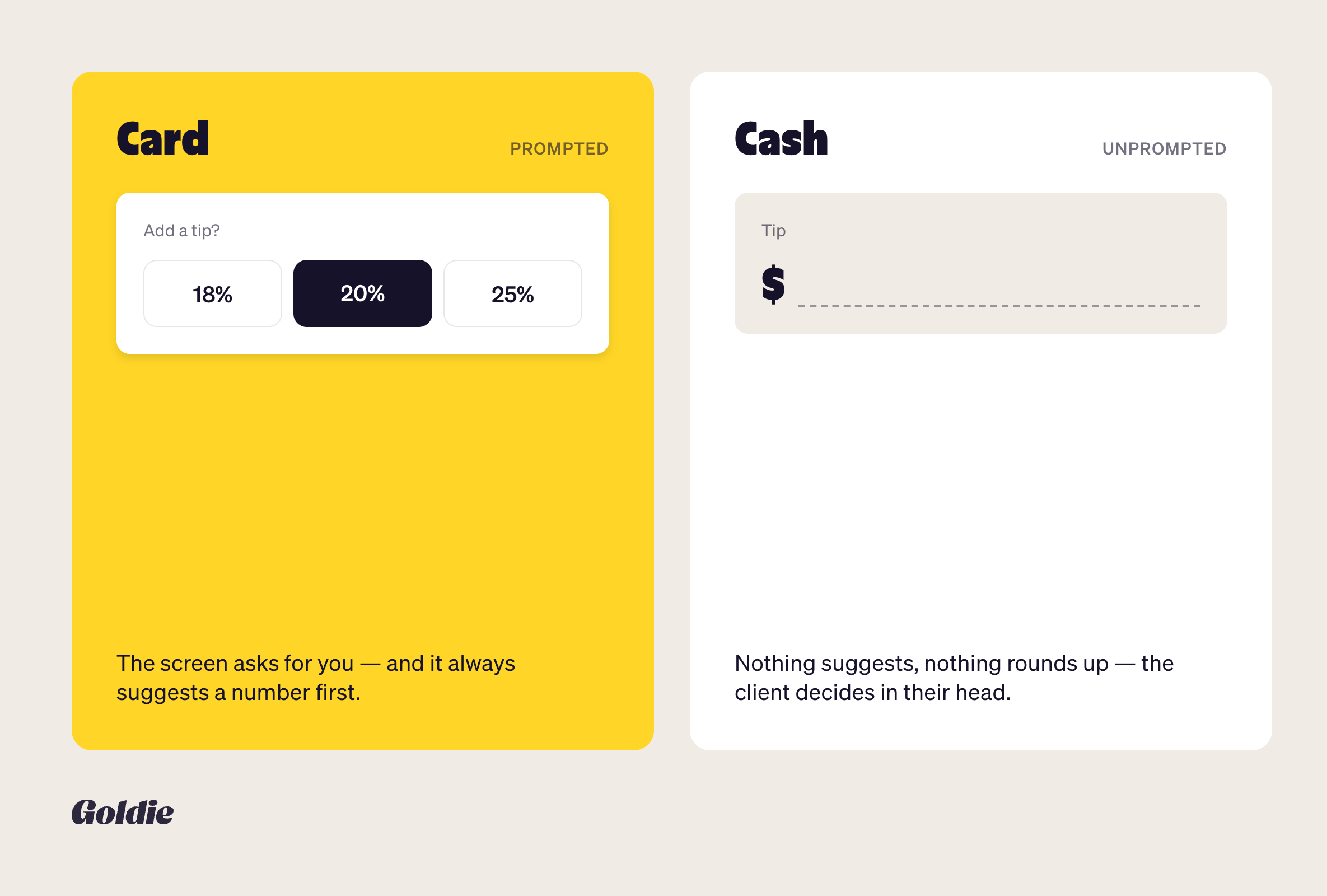
Because tipping is a response to a prompt, and cash never prompts. A client paying cash has to decide unprompted, work out the math, count it out, and hand it over while you both pretend not to be counting. Every other method on that list puts a tip screen in front of her with the number already calculated.
The cleanest proof sits inside the data. Card reader (12.1%) and cash (4.3%) both happen in person, at the end of the appointment, with the same client standing in the same spot. The only thing that changes is whether a screen asks. That's a 7.8-point gap created entirely by the ask.
Cornell's Michael Lynn, who has published more research on tipping than anyone in the field, points out that people are tipping more across the economy largely because they are being asked more often, not because they became more generous. The ask itself is the variable, and cash is the only checkout in your salon that doesn't make it.
Worth naming one thing honestly: clients who pay cash may differ in other ways too, skewing older or toward smaller services, and a cash tip left as a folded bill in your hand won't always show up in your reports the way a card tip does. So treat 4.3% as the recorded figure rather than the whole truth about what cash clients hand over. Even allowing for that, the direction holds across every month, and the mechanism is well documented. Asked clients tip. Unasked clients decide from scratch, every time.
Card, decisively. Every card-based checkout in the data beats cash by at least 4 percentage points, and the best one beats it by almost 8.
This is the finding most likely to surprise you, because the break room wisdom runs the other way. Cash is supposed to be the generous option, the one where she peels off an extra twenty because it's going straight to you. In the recorded data it's the weakest option by a wide margin, and it isn't close.
The reason is the friction. A card screen shows her three buttons with the dollar amounts already worked out. Cash asks her to calculate 20% of $147 in her head, then find the right bills, then decide whether to ask you for change. Most people, at the end of a long appointment, take the path with fewer steps. That path is "here's the card."
So if you've been quietly steering clients toward cash to save on processing, this is the trade you're actually making. At a flat 2.6% plus 30 cents, the fee on a $120 service is about $3.42. The tip difference between cash and a card reader on that same service is $9.36.
You're saving three dollars to lose nine.
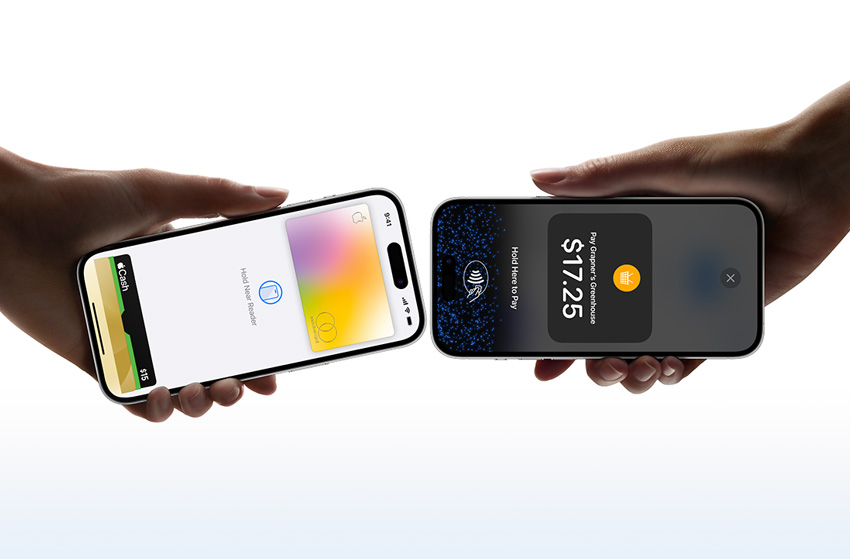
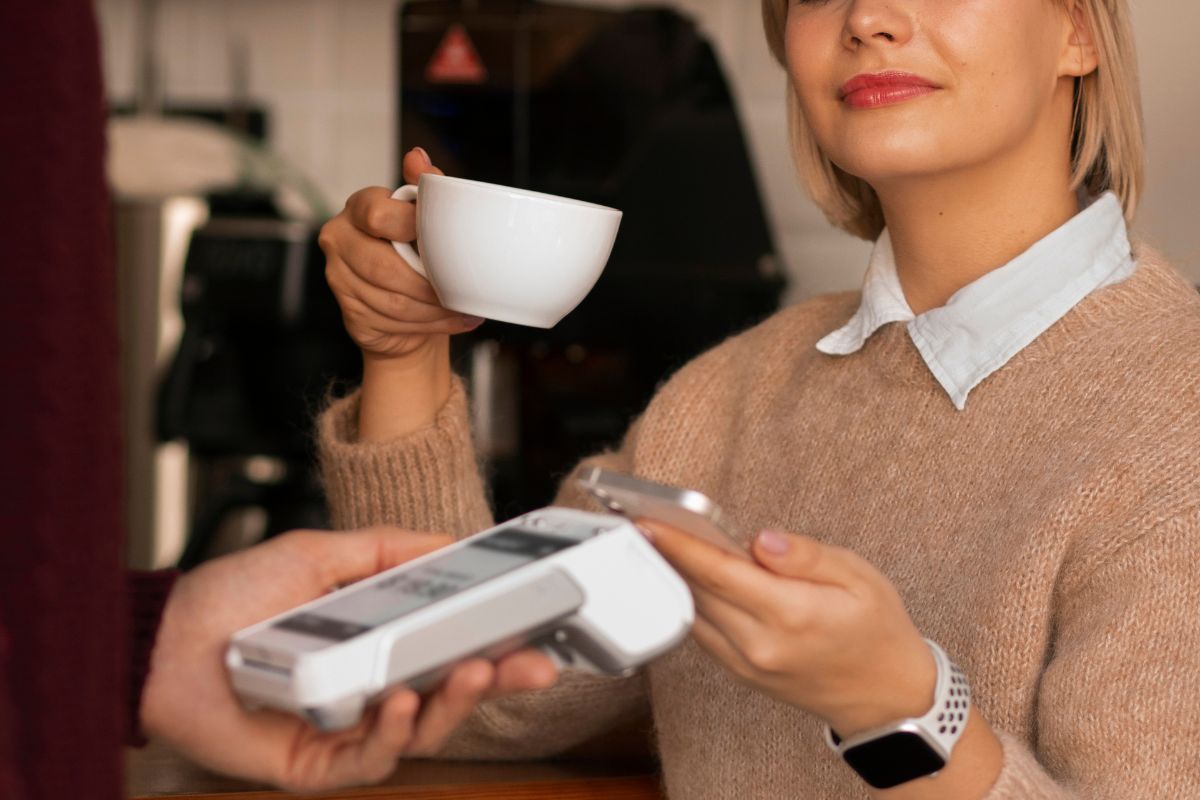
Yes, and it's the most underrated number in the table. Tap to pay averages 9.9%, which is within half a point of card on file and 5.6 points ahead of cash, using nothing but the phone already in your apron pocket.
That half-point gap is worth putting in dollars, because percentages make it sound bigger than it is. On a $120 service, the difference between tap to pay and card on file is about 48 cents. Card on file does edge it consistently, in all four months, so the ordering is real. The size of it is not something to plan around.
What tap to pay gives you that card on file doesn't is the momentum. She's standing there, the service just ended, and she's holding the result in her head when the screen turns toward her.
Card on file works, but it works with the client already halfway out the door. Tap to pay puts the ask exactly where the data says the ask belongs, and it costs nothing to turn on.
It's also the honest answer for most solo pros reading this. A card reader is the ceiling at 12.1%, and 2.2 points above tap to pay is real money over a year. But if you're mobile, renting a chair week to week, or just not ready to add a device to your setup, tap to pay gets you roughly three quarters of the way from cash to the top with a settings change instead of a purchase.
The rest of the digital methods perform great except one, and the exception is informative.
Card on file averages 10.3%, second only to the in-person card reader. This is the biggest surprise in the dataset. Convenience turns out not to cost you the tip, as long as a tip step still exists in the flow.
Payment links average 8.8%, with the client not even in the room. A payment link still shows a tip field, so the ask still happens. It just happens without you standing there, which appears to cost about a point against tap to pay. Real money, and a solid option for remote balances.
Prepaid Card averages 8.6%, the lowest of the card methods but still double cash. Paying in full before the appointment costs you something, because she's tipping for a service she hasn't received yet, but the tip screen still does most of the work.
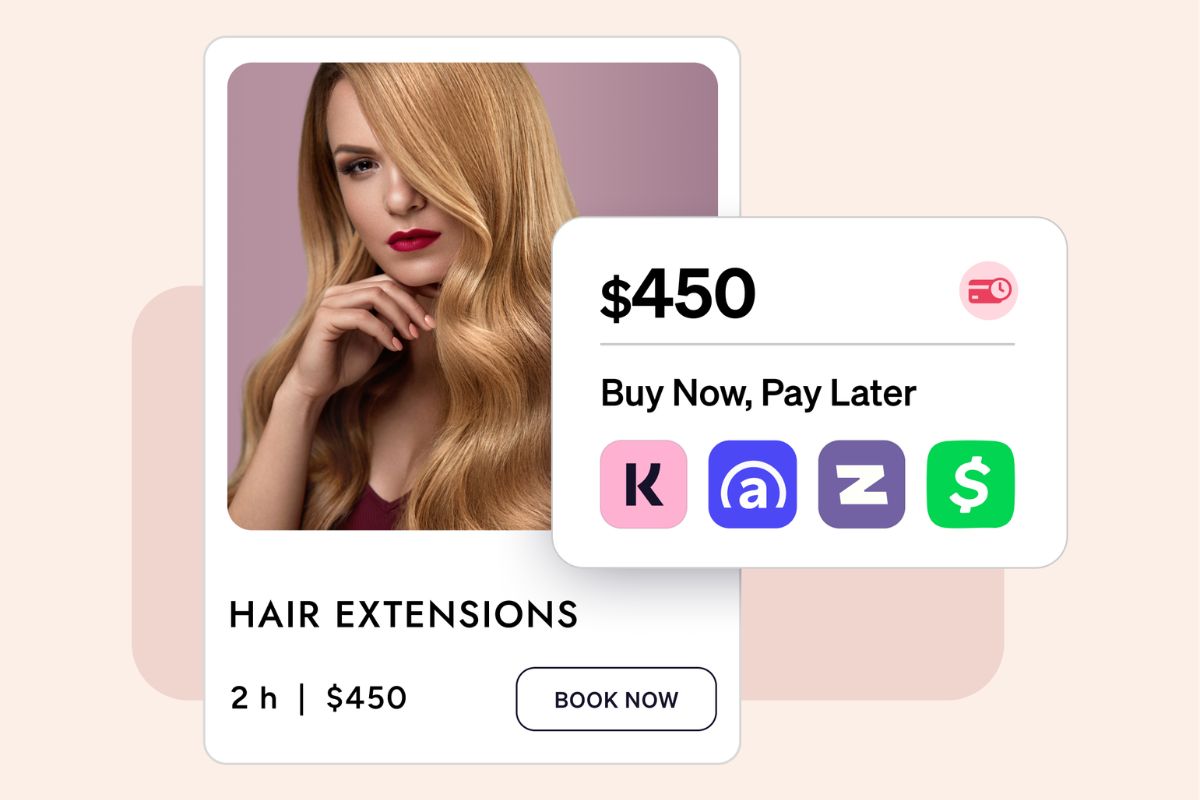
BNPL averages 4.3%, the one digital method that behaves like cash. Plausibly because a tip added to an installment plan gets financed along with everything else, and the client's attention is on the payment terms rather than on you.
If you're running payments through Goldie, BNPL still earns its place by letting clients say yes to bigger services.
The gap between a card reader (12.1%) and cash (4.3%) is 7.8 percentage points. On a $120 service, that's $9.36 a client.
For context on why that matters in a salon: the Bureau of Labor Statistics puts the median hourly wage for hairdressers, hairstylists, and cosmetologists at $16.95 as of May 2024, and that figure largely excludes cash tips. If you're renting a chair, tips aren't a bonus line on top of a salary. They're a real share of what you take home.
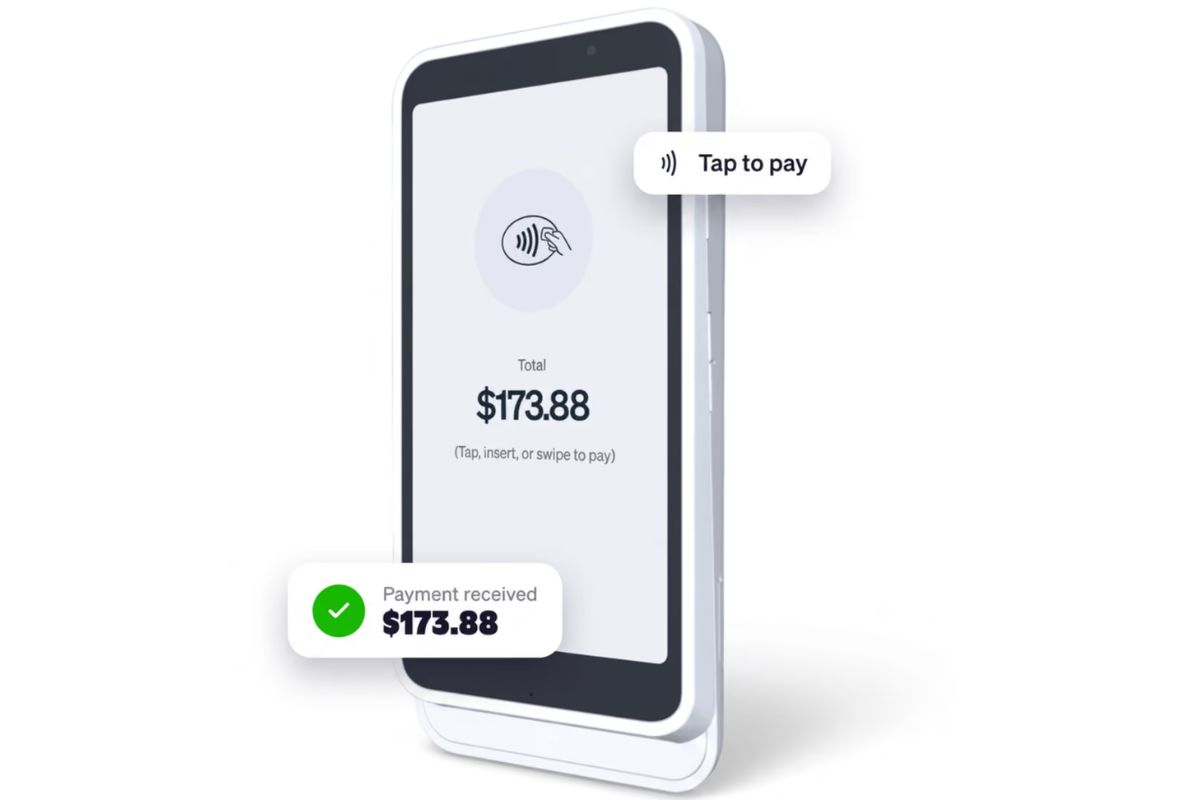
Set against that math, the hardware is a rounding error. The Goldie Touch reader from Stripe syncs directly with Goldie, so the tip prompt appears on a proper screen at your station, the payment posts against the right appointment automatically, and the tip shows up in your reports without you keying anything. Processing runs at a flat 2.6% plus 30 cents. If a reader recovers even a few extra dollars a client, it pays for itself inside the first month and keeps going.
The right order is tap to pay first, reader later. Turn on the thing that costs nothing, watch what happens to your numbers over a quarter, then decide whether the last 2.2 points justify the device.
Ask at the right moment, with the right numbers, then get out of the way. Four changes:
Get your cash clients onto a screen. This is the whole ballgame. You don't have to refuse cash, just stop offering it first. Have tap to pay open or the reader out and ready when the appointment ends, so paying by card is the default and cash is the thing she has to ask for.
Anchor your presets at 15%, 18%, and 20%. Not 25, 30, and 35. Higher anchors do lift the individual tip, but research on tip screens consistently finds they cost goodwill and repeat business. In a salon, where your income is built on the rebook, that's a bad trade.
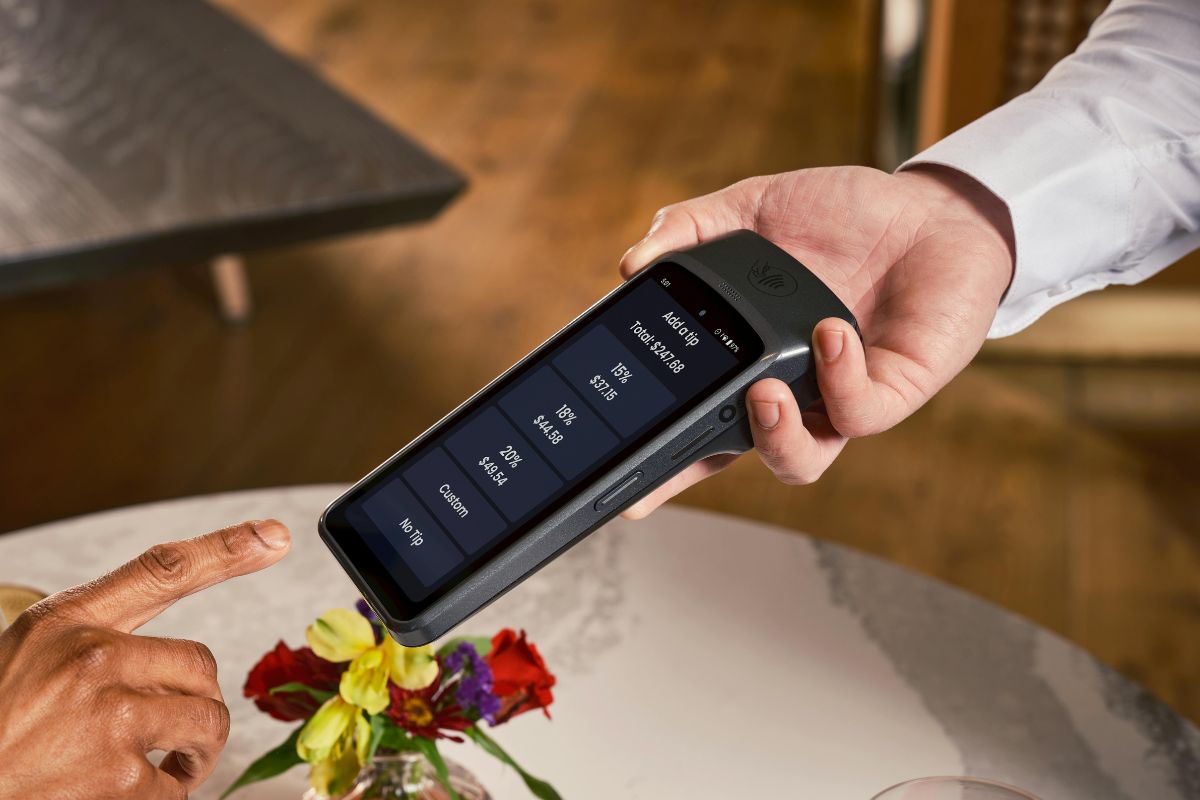
Show the dollar amount beside each percentage. Nobody calculates 18% of $147 in their head while you watch. Removing that math removes a reason to hit "no tip." Goldie's Touch card reader powered by Stripe does that, and in case the client considers it's too much, there's an edit tip button that allows them to modify the percentage.
Hand over the device and step away. Being watched raises the one-time tip and lowers the odds she comes back. Turn the screen, take a step toward your station, let her decide in private.
Then check your own numbers instead of trusting these. Pull your payment and income reports 90 days after you switch and compare tip rates by method the way we did here. Your figures will differ. The ranking almost certainly won't.
Do one thing this week: get your card reader or turn on tap to pay and have it open before the appointment ends, so a prompted screen is the default and cash is what she has to ask for. If you're already taking payments in Goldie, it's a habit change, not a project, and your next quarter of reports will tell you whether it worked.
Your move. ✨

.webp)