It's really important to promote yourself as a personal trainer these days. The personal fitness training market is expected to grow to $85.3 billion by 2035, meaning there are lots of opportunities, but also lots of competition. That's why having a solid plan for personal trainer marketing is key. If you're new or want more clients, focus on two things: effective personal trainer advertising and easy booking.
The fitness marketing industry is different now. The American College of Sports Medicine notes that things like fitness trackers and exercise apps are still major trends, shaping how trainers connect with people. As an independent trainer, your strategy should keep up with these trends, show what makes you special, and make booking simple.
This guide will give you eight tried-and-true marketing tips for independent personal trainers. Each tip includes tool suggestions, simple steps, and examples to help you get more clients and grow your business in a lasting way. You'll also learn how to market yourself as a personal trainer with actions you can start taking now.
Government data show the United States already has roughly 370,000 certified personal trainers. The same data predict a 12 % yearly rise in that number. More trainers enter the market each year, so the competition for clients becomes tougher. Many trainers, even with good skills, struggle to book steady sessions. That's why smart personal trainer marketing is the difference between thriving and barely surviving.
Bringing in a new client costs about five to 25 times more than keeping someone who already trains with you, according to Harvard Business Review data. When current clients stay only five percent longer, profits jump by 25 to 95%, which means systems built around long-term relationships are as powerful as personal training advertising built to attract new clients.
The stronger your image, the higher your price. When your logo looks sharp, your social pages stay fresh, and you share helpful knowledge, you draw clients who respect expertise and who pay more for it. Trainers with strong brands and effective personal trainer marketing strategies can often charge higher rates than those without a marketing plan.
Digital tools hand back your time. Online booking apps like Goldie handle scheduling, automated reminders and confirmations, client messaging, and payments while you train people instead of chasing no-shows or hunting for cash. This is what modern personal trainer advertising looks like, a professional systems that work 24/7.
The person on your schedule today is the easiest sale you will ever make. As Forbes mentions, from the Marketing Metrics book, the chance of selling more sessions to a current client sits between 60 and 70%, while the chance of signing a stranger is below 20%. Use marketing to create refer-a-friend rewards, check-ins, small celebrations, and memorable workouts so your clients brag about you at their next barbecue.
Marketing for personal trainers is more than simple personal trainer advertising. It involves creating a recognizable brand, building trust with potential customers, and providing various options for people to find and contact you.
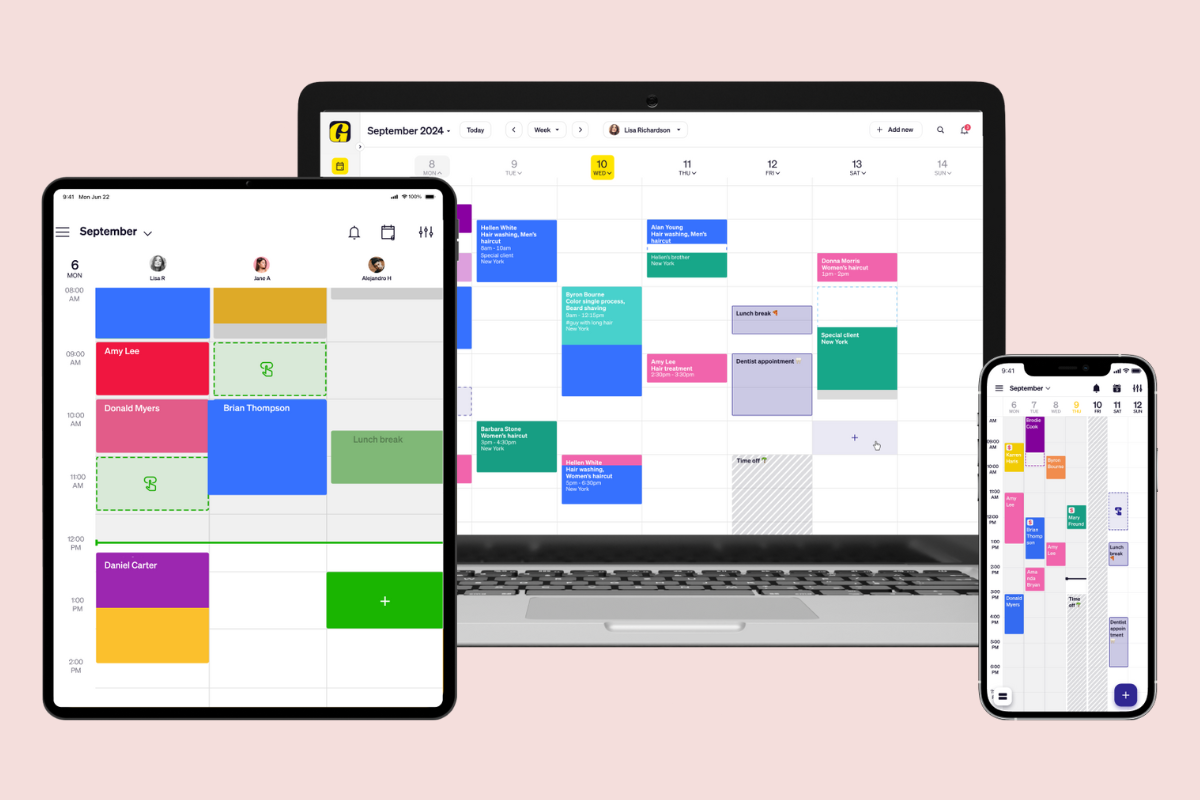
In short, the answer to how to market yourself as a personal trainer is to make sure you appear in the right searches, show proof that you deliver, also let clients secure a session in under a minute.
Below you will find eight simple, powerful personal trainer marketing steps you can start today to build a stable, profitable training business.

Social media is vital for personal trainers; it's their strongest marketing avenue. Platforms like Instagram and TikTok act as a portfolio, evidence of skills, and the main way to get new clients. Studies show that up to 70% of consumers use social media to find or learn about products and services. For a trainer, every post works as a silent sales rep that stays online day and night.
Recommended tools:
How to implement: Post four to seven times each week with different content like workout examples, before-and-after shots, or educational posts. Focus on short videos (15–60 seconds) and reply to all comments in a day. Put your booking link in your bio with direct calls to action and use Instagram Stories every day with polls or question stickers.
Example: You can post three times weekly: transformation stories on Mondays, exercise examples on Wednesdays, and myth-busting posts on Fridays. Include in each Instagram Story a Book Now sticker going to your Goldie online booking page. Consistency is key. Think of it as a strong tool for your personal trainer marketing. Regular effort leads to actual appointments on your schedule.

Your Google Business Profile is a powerful personal trainer advertising tool that many trainers do not use. When people type into Google “personal trainer near me,” a complete profile helps them find you, and without it, you will remain hidden.
Recommended tools:
How to implement: Claim and verify your profile. Pick “Personal Trainer” as your main category. Fill out each section with descriptions that include relevant keywords (what clients type when they search). Upload good photos and post updates each week. Ask for reviews after clients reach their goals, and reply to all reviews quickly.
Example: After completing your Google Business Profile, include multiple secondary categories such as “Fitness Center” or “Weight Loss Service” in addition to your primary category. Specify the neighborhoods or zip codes you serve to increase local visibility. List your services with clear prices, for example, “1-on-1 Training - $75/hour” and “Group Training - $40/person”. Turn on messaging to let clients contact you directly, and add a booking button that links to your Goldie scheduling page. Set correct business hours, like 6 AM-8 PM, so your profile shows as “Open” when people are most likely to search.

Email marketing remains one of the most cost-effective personal trainer marketing strategies. For every dollar spent on this kind of advertising, the average return is $46-$50. Harvard Business Review reports that when a business keeps just 5% more of its clients, profit rises between 25% and 95%.
Recommended tools:
How to implement: Offer a free consult or a trial session on your Goldie booking page. Put the same link in your Instagram bio or use the “Book” button. Goldie helps you by saving the client's email at the moment of booking. After their free session, send a friendly follow-up email. You can even add a deal for new clients, such as a discounted first month or package. Remember to put your Goldie booking link in each email to make rebooking super easy.
Example: Promote a free consultation on Instagram, linking to your Goldie page. After the consult, send a personal email with a discount for the first month. Also, email old clients who haven't booked in a while with a “We miss you” offer. This can get you a few new clients and bring back old ones, adding a few thousand dollars to your monthly income.
SMS marketing gives personal trainers advertising the fastest way to reach clients. Text messages get a 98% open rate, with 90% read within 3 minutes, far surpassing emails’ 20-30% open rate. Service businesses find SMS useful to cut no-shows, fill sudden gaps in the schedule, and encourage clients to book again.
Recommended tools:
How to implement: When a client books through Goldie, the system stores the phone number in your client list. Create an automatic reminder to be sent 24 - 48 hours before the session. Change text content using marketing message templates, including client names and appointment info. Send bulk texts to chosen groups, like inactive clients or those who have no future bookings. Keep each message brief, add the client's name, and place your booking link so the client can schedule with one tap.
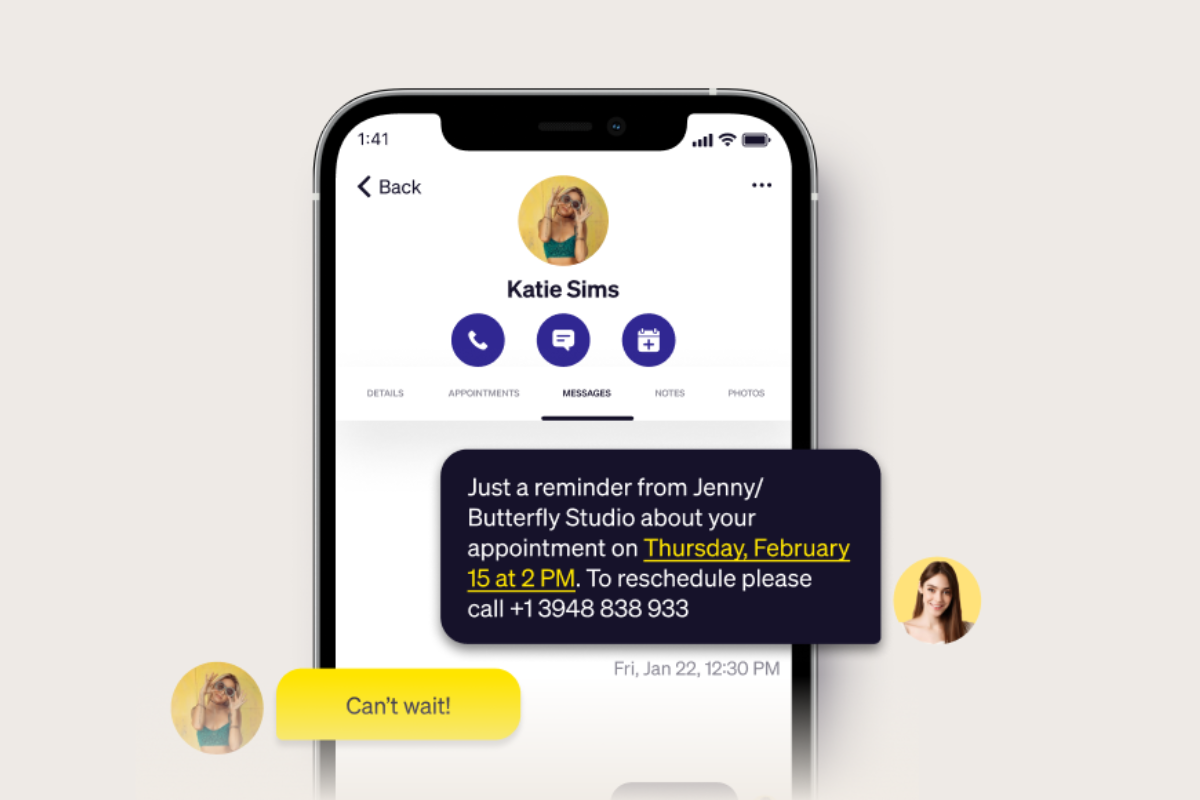
Example: Each week, you text clients who haven't visited in a while, “Hey [Name]! Haven’t seen you in two weeks. I have slots on Thursday at 6 pm or Saturday at 9 am. Book here: [Goldie link].”

Referral programs turn happy clients into unpaid sales staff. About 92% of buyers trust advice from a friend more than they trust a personal trainer's advertising. Clients who arrive through a referral stay 18% longer than those who come from ads or social media, and referral marketing turns 3-5 times more prospects into paying customers than other methods.
Recommended tools:
How to implement: Draft a one-sentence rule: “When your friend finishes three paid sessions, you both receive 20% off the next package.” Print cards and a poster that carry the same wording and a QR code that opens your booking page. Ask for referrals only after the client reaches a clear win, like first pull-up, ten-pound loss, or similar. Record the referrer's name in the client file the same day.
Example: Launch a "Bring a Friend" program where friends get their first session free, and referring clients receive a free session when their friend joins. Track referrals in Goldie. When a client hits three successful referrals, thank him with a $50 gift card. One client refers five friends annually, who each train twice weekly at $70/session. That's $36,400 in new annual revenue, while your referral costs total just $425 for the year (5 free sessions at $75 each + one $50 gift card).

Working with local businesses that offer related services can bring in regular referrals without continuous ad spending. When learning how to market yourself as a personal trainer, many overlook this powerful strategy. While results vary, many independent professionals find that these relationships become a significant source of new clients over time.
Recommended tools:
How to implement: Identify ideal partners (physical therapists, nutritionists, yoga studios) serving similar clients. Approach with value-first: "I'd love to refer clients to you." Create structured partnership agreements and host joint workshops like "Fitness & Nutrition." Hand each partner your Goldie link and a discount code meant for their clients.
Example: Open Google Maps plus filter for the top-rated physical therapists, nutritionists, and chiropractors within five miles. Walk in with business cards that show your booking QR code, and with loyalty cards that they can pass out. Promise to refer your own clients to them first. Following those steps, you can now get four to six ready-to-buy referrals each month from three local partners, but without paying for direct ads.

Paid personal trainer advertising speeds up sign-ups by showing your offer only to people who already want fitness help. Facebook and Instagram work well because before-and-after photos grab attention, and Google Search Ads catch people who type “personal trainer near me.” Fitness ads cost more per lead than ads for most other services, so begin with a small daily spend and raise the budget only when the numbers show profit.
Recommended tools:
How to implement: Start with Facebook Ads and limit the audience to a 5-15 mile area, ages 30-55, who list fitness as an interest. Offer a free 7-day plan or a promotional-priced first session. Link the ad straight to the booking page and contact them quickly. Try different visuals, audiences, and messages every week.
Example: Spend $400 each month on Facebook Ads aimed at women aged 30-50 who live within 10 miles. The Ad should show a 30-second transformation video and promise a free consultation. At 8-10 leads monthly from that campaign, it costs $40-$50 per lead. Let’s say 3-4 of those leads become clients who each pay $240 per month, producing $720-$960 every thirty days. That’s roughly a 2x return on your investment, but it can get better after you optimize your ads for three months.
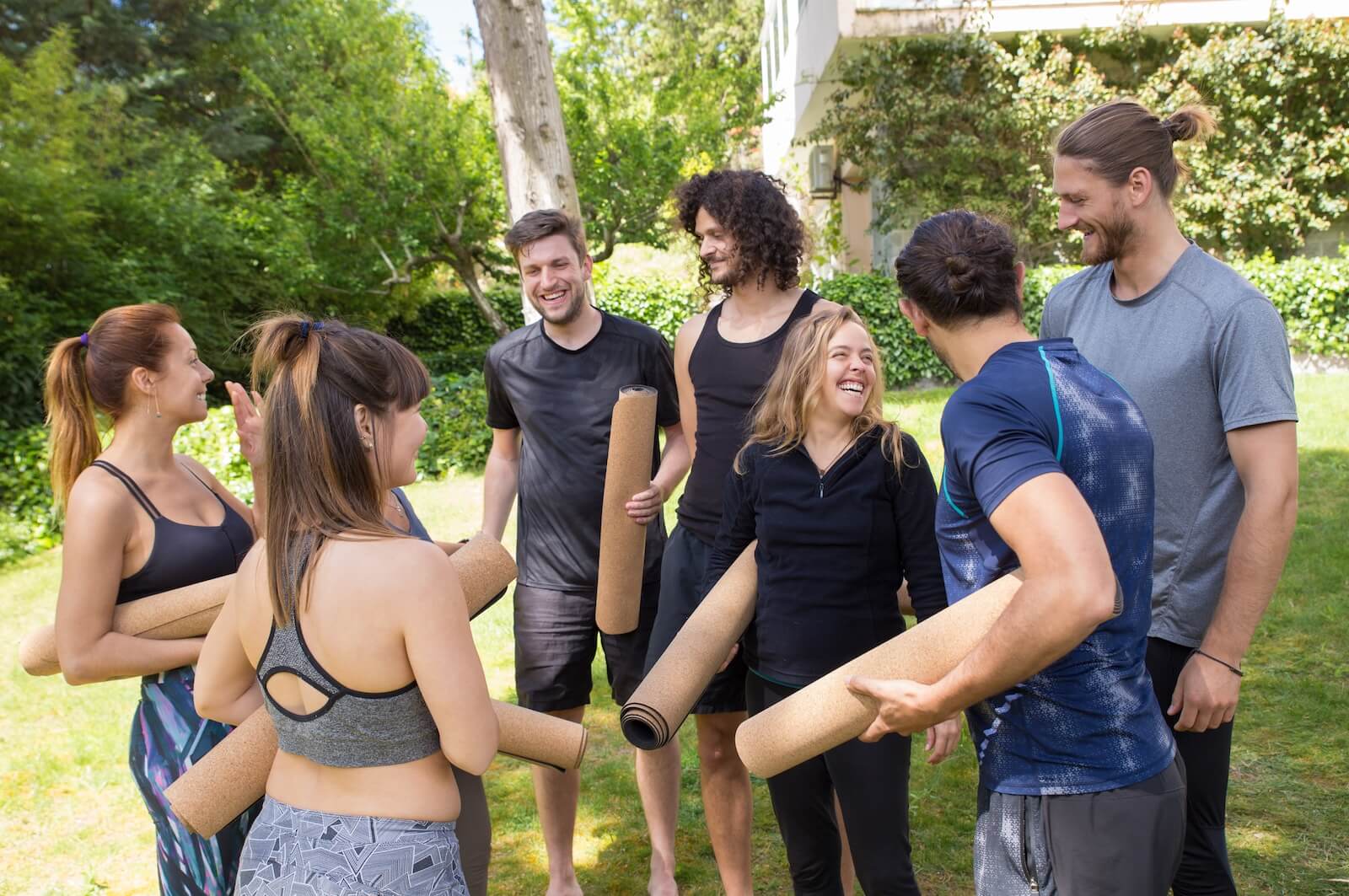
Organize free workshops, and you become the local fitness expert. People who join one session to meet you and try your methods will remember you far better than if they had only seen an advertisement. This kind of experiential personal trainer marketing builds trust faster than traditional personal trainer advertising.
Recommended tools:
How to implement: Pick a clear, practical topic like “Desk Worker's Back Pain Solutions” or “Strength Training for Beginners.” Hold the class in a park, community hall, or corporate office. Advertise for 3 to 4 weeks in advance. You can structure the hour like this: the first half on instruction, a few minutes of guided practice, and finish with a special offer. Hand them a business card with your QR booking link and respond within 24 hours.
Example: Start a free “Strength Training 101” class every month. List it on Facebook Events and ask a physiotherapy clinic to share the post. Teach five basic exercises, correct each person's form, and close with “Book three sessions this week and pay 40% less!” If two or three people from each class sign up, you gain a reliable flow of new clients every month.
You do not need a large budget to expand your training business. Choose one or two strategies from this guide that suit your strengths and begin this week. Whether you post on social media, update your Google profile, or run a free workshop, steady effort counts more than flawless execution. As fitness entrepreneur Jonathan Goodman says, "The best trainers aren't the ones with the most certifications. They're the ones who show up consistently and make it easy for clients to say yes."
Every strategy works better when booking is simple. Make sure people who find you through any channel can secure their first session in under a minute. Now you know how to market yourself as a personal trainer. So grab a protein shake, install the Goldie app, and watch your client list grow faster than your biceps after leg day.

.webp)