
Tattooing is one of the oldest and most meaningful art forms in human history and today, it’s more popular than ever. In the United States alone, nearly half of adults have at least one tattoo, and the number continues to grow each year. People from every background, age group, and lifestyle walk into tattoo studios with stories, symbols, and memories they want to carry with them forever. And behind every one of those tattoos is an artist trusted to translate meaning into eternity.
That’s one of the most powerful parts of becoming a tattoo artist. Beyond creating art, tattoo artists are creating something deeply personal for someone who is searching for meaning, for people who understand that art can hold emotion, identity, healing, or transformation. And being part of this process as a tattoo artist is incredibly rewarding. But the path of becoming a tattoo artist in the USA is not as easy as it might seem.
Almost anyone with a passion for art and a dedication to learning can become a tattoo artist. Having a natural drawing talent helps, but tattooing is a skill-based craft meaning that you need to constantly practice, have patience and discipline which actually matter more than ability.
Across the United States there are more than 6,300 tattoo artists. Roughly 75% of them are male and 25% are female with the average age being 42. Tattooing attracts people from all kinds of backgrounds, such as painters, graphic designers, illustrators, and even those who simply started out doodling in sketchbooks. They all have in common a genuine love for creating art and a willingness to put in the effort to master both the artistic and technical sides of tattooing. That’s because besides strong drawing skills, you need a higher attention to details and good communication skills to understand the needs of your customers.
Every tattooist’s journey is different because it takes time, dedication, and consistent practice. It can take two to five years to develop the artistic skills, technical knowledge, and experience needed to work professionally. You need to strengthen your drawing abilities and build a solid portfolio, and after that complete a tattoo apprenticeship, which usually lasts between one and three years. During this period you learn more about hygiene, equipment setup, and can tattoo under supervision. Only after you’ve finished your apprenticeship and met your state’s licensing requirements, can you begin working as a professional tattoo artist. However, it’s not a set and done thing. If you want to master the art of tattooing it will be an ongoing learning process that continues throughout all your career.

Most artists start by finding a mentor or studio to apprentice under for at least two to three years. During this period you’ll learn the most important skills of the trade, from hygiene and equipment setup to design placement and client communication. You’ll gain hands-on experience, build a strong portfolio, and prepare to earn your professional license.
💡 Keep in mind: Use this time to invest in your growth. Complete the required safety certifications, seek extra artistic training, and focus on developing both your technical and creative skills. Besides learning to tattoo, it’s the best time to think of what you want for your future whether it’s working in a respected studio or opening your own.
If you want to become a certified tattoo artist, you’ll need to develop your art, complete health and safety courses, and train directly under experienced professionals. Here are the key steps you must follow to earn your certification as a tattoo artist.
Learning to draw tattoo designs is very different from learning to draw on paper or canvas. When designing tattoos, you must take into account the human body’s anatomy and muscle structure. The placement of a design on skin that stretches, curves, and moves means that every line and shape must flow naturally with the client’s body. When starting out, one of the best ways to learn is by studying and redrawing tattoos created by well-known artists like Josh Lin or Francesco Ferrara. It will help you understand how the lines, shading, and composition come together to create a beautiful tattoo.
💡Keep in mind: The practice drawings should never appear in your professional portfolio because your portfolio should contain only your own original artwork and show your personal style, creativity, and technical skill.
Traditional drawing skills with pencil and paper remain fundamental to tattooing because you can only tattoo as well as you can draw. Strong drawing ability builds the foundation for precision, proportion, and control when working on skin.

But you can also use a design tool like Procreate to work faster and more efficiently. You can create straight lines, smooth gradients, and clean edits in minutes rather than hours. This extra speed means you can focus more on creating and refining your style and get more clients.
Using an iPad can help you develop your style faster and showcase your work more frequently online. Even though you have many digital designs, it’s important to spend plenty of time tattooing on fake skin or friends to understand how designs translate from screen to skin.
Your tattoo portfolio is your business card because it’s the first thing a shop owner or potential mentor will look at when you walk into a studio. Think of it as a visual résumé that showcases your best, most polished work. Your physical portfolio should be a professional folder with clear plastic sleeves, each displaying a finished piece of artwork. Every image included should represent your highest level of skill and creativity.
You should also consider building a digital portfolio on Instagram, Facebook, or TikTok to highlight your art because more than 85% of clients look up tattoo artists online before deciding who to book.
💡 Keep in mind: Never include sketches, unfinished work, or practice drawings in your portfolio. Studio owners want to see completed pieces that demonstrate your understanding of composition, line work, shading, and color.

One of the most important steps in becoming a tattoo artist is learning how to maintain a sterile and safe environment. Tattooing involves working with needles and human skin, so understanding how to prevent infections and cross-contamination is critical for both you and your clients. Most states require tattoo artists to complete a Bloodborne Pathogens (BBP) certification course, which covers topics like sterilization, safe handling of sharps, and the prevention of diseases such as HIV and hepatitis.
💡 Note: When choosing a course, make sure it is OSHA (Occupational Safety and Health Administration) compliant and recognized by your state. Many aspiring tattoo artists complete their certification online through reputable providers like the American Red Cross. Once certified, you’ll be one step closer to meeting the health and safety standards required to work legally and responsibly in the industry.
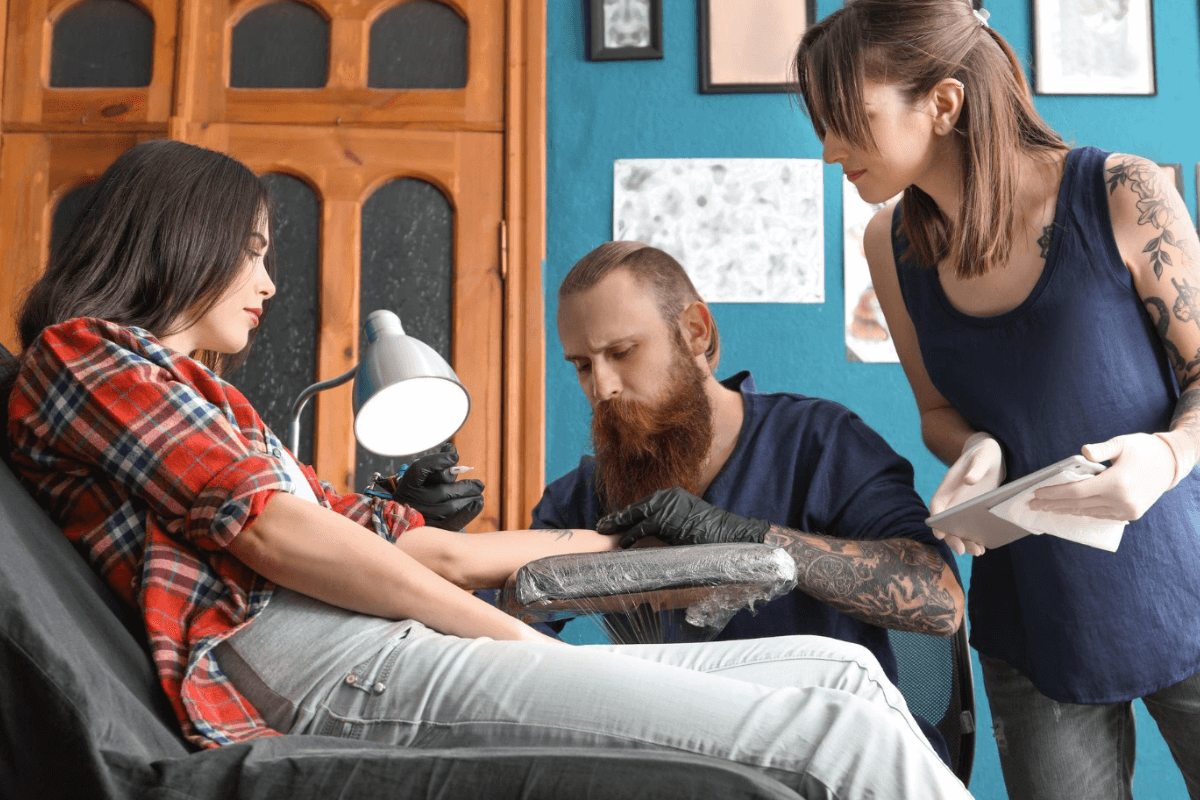
Once you’ve developed your art skills and built a solid portfolio, the next major step in becoming a tattoo artist is securing an apprenticeship. This is where you’ll learn skills that can’t be taught through online tutorials or books. When looking for an apprenticeship, start by researching tattoo studios known for high hygiene standards, experienced artists, and a strong reputation in the tattoo community. Visit studios in person with your portfolio. Bring your physical folder of finished artwork and also be prepared to show your online portfolio.
In a good apprenticeship you should feel you have a step-by-step learning process. You’ll likely begin with small tasks like cleaning the studio, setting up and breaking down stations, and learning how to properly sanitize tools. Over time, you’ll start learning about tattoo history, studio operations, how to interact professionally with clients, and sometimes even do salon management. Later you should observe experienced artists at work, watch different tattooing styles and techniques. Followed by how to set up and operate a tattoo machine, practice on fake skin, and take on small pieces under supervision. After the years spent in apprenticeship you should be fully prepared to get your tattoo license and join a tattoo shop.
In order to get your tattoo license you must be at least 18 years old, complete a training program like apprenticeship under a licensed artist, get certified in Bloodborne Pathogens, and pass the exam in some states.
Tattoo licensing requirements vary by state. In some states, individual artists must be licensed, often requiring an exam and licensing fees. Other states focus on shop registration, meaning the studio must be licensed while the artist only needs Bloodborne Pathogens (BBP) certification. Before you start tattooing professionally, you need to research your state and local regulations. It’s mandatory to meet your state and local regulations to ensure you’re working legally, safely, and with full credibility in the industry.
Below, you’ll find a table created by the Bloodborne Pathogens Certification program that outlines each U.S. state’s specific requirements for obtaining a tattoo license.
If you’re confident in your skills and ready to work professionally, your first step is finding a shop. And the best way to do that is by visiting the studio in person to show commitment and seriousness. Keep in mind that before approaching a shop owner, you should have your BBP certification, license if required by your state, and a portfolio of high-quality artwork ready.
When speaking with a shop owner, consider what you can offer the studio. Shops are more likely to hire artists who bring clients, social media influence, or a variety of artistic skills. Early in your career, it’s beneficial to showcase a variety of tattoo styles, especially for walk-in clients, before honing your signature style. Successful artists often develop a dominant style later, but versatility helps you get your foot in the door.
For artists aiming to open their own studio, the rewards include keeping 100% of your earnings and earning commissions from other artists as opposed to a 50/50 deal in tattoo studios. But running a studio comes with responsibilities: marketing, hiring, managing finances, and ensuring the shop follows health regulations. Here tools like Goldie can be invaluable for managing an independent studio, offering online booking, appointment reminders, social media caption generation with AI, and client management, freeing you to focus on your art while keeping operations smooth.

For those who love art, value human connection, and want a profession where growth never stops, becoming a tattoo artist can be an incredibly fulfilling path. From the outside, tattooing may seem easy, but it actually requires extensive training, discipline, practice, the right mentorship, and a lot of patience. The effort is worth it, though, because the results of your work can be deeply rewarding. Like seeing the emotion on someone’s face when they see their brand-new tattoo thinking what it means for them. That moment alone makes the journey worthwhile.

.webp)